
MrPOS is a cloud-based POS software company for retail and restaurants in Asia, and we set up systems for shops across Pakistan every week. The first question every owner asks on WhatsApp is the same one: "Kitne ki aayegi?" So here is the full answer in one place — software, hardware, the costs nobody warns you about, and what different types of businesses actually spend. Real rupee numbers, no sales spin.
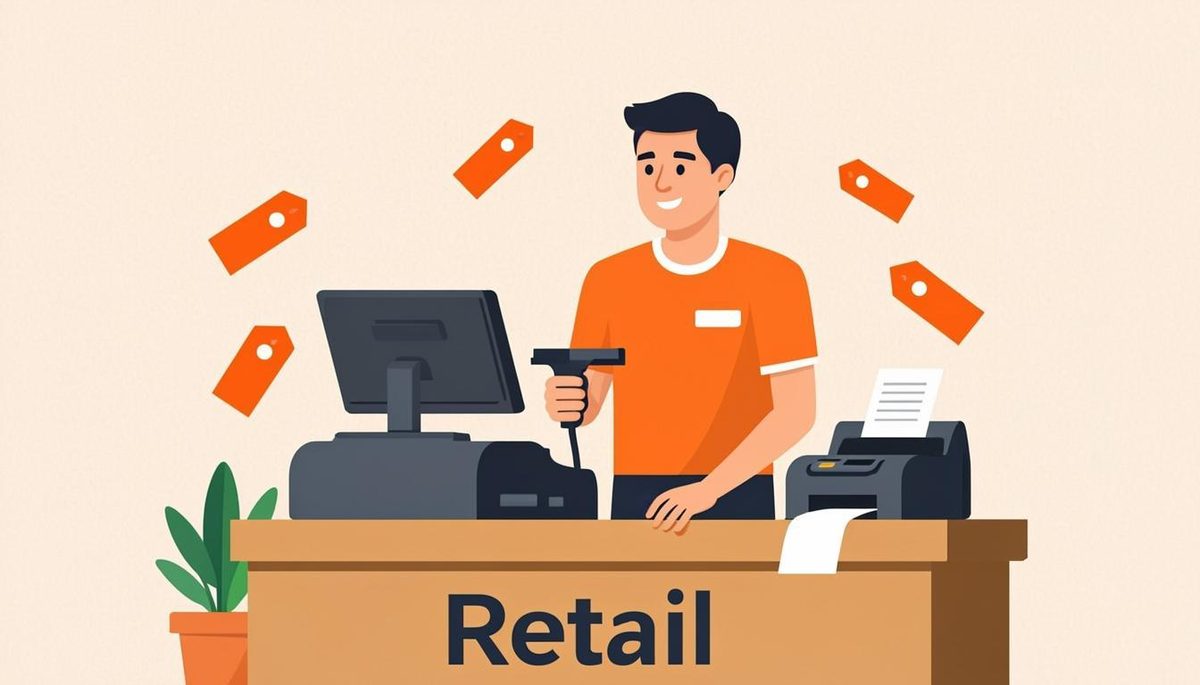
POS price at a glance: three cost buckets
When you price a POS system in Pakistan, you are really pricing three separate things:
- Software — the billing, inventory and reporting brain. Rented monthly, or bought once as a license.
- Hardware — the physical equipment: computer, scanner, printer, cash drawer. One-time purchase.
- Ongoing costs — internet, support, and extras like FBR integration if you are a Tier-1 retailer.
Vendors who quote "Rs 15,000 only!" are usually selling you bucket one and pretending buckets two and three do not exist. Ask all three, every time.
Software: monthly subscription vs lifetime license
Monthly cloud subscription (most common)
Cloud POS software in Pakistan currently runs in three tiers:
- Basic single-counter billing — roughly Rs 2,500–5,000/month. Sales, receipts, simple stock. Fine for one small counter.
- Growing business (inventory + accounts + customers) — roughly Rs 5,000–10,000/month. This is the tier where you get real profit reports, udhaar ledgers and purchase tracking, not just receipts.
- Multi-branch / ERP level — roughly Rs 10,000–25,000+/month. Multiple branches, roles and permissions, HR, and WhatsApp marketing from the same login.
One-time lifetime license
Offline licenses — you own the software, hosted on your own machine — typically cost Rs 60,000–250,000 depending on features. It looks expensive until you compare three years of subscription. The trade-off: no automatic updates, and the owner handles backups. Businesses with unreliable internet often pick this route.
Free software
Free tools exist and do work for a single counter. The real cost shows up later: no support when the printer dies mid-rush, no data migration when you outgrow it, and reports that stop matching your stock. For a serious shop, "free" is usually the most expensive option in the list.
Hardware: what each piece actually costs (2026 market rates)
Hardware prices in Pakistan have stayed fairly stable through 2026. Typical ranges from local market rates:
- Barcode scanner — Rs 3,500–15,000. A basic 1D USB scanner covers most retail; 2D/wireless models sit at the top of the range.
- Thermal receipt printer (80mm) — Rs 12,000–35,000 depending on print speed and brand.
- Cash drawer — Rs 5,000–12,000.
- Billing computer or tablet — Rs 45,000–120,000 new. If you already own a working PC or laptop, this drops to Rs 0 — most modern cloud POS runs in the browser.
- Label / scale printer (weighted goods, grocery) — Rs 25,000–60,000, optional.
- Kitchen display + waiter handhelds (restaurants) — Rs 40,000–90,000 per station, optional.
A realistic single-counter retail bundle — scanner, printer, drawer, using your existing PC — lands between Rs 40,000 and Rs 80,000. Anything above that should come with extra equipment you actually asked for.
Hidden and one-time costs nobody mentions
These are the four that surprise shop owners after purchase. Plan for them now:
- Data entry — typing 2,000 products by hand is days of work. A good vendor imports your product list from Excel/CSV free; ask before paying.
- Training — staff training should be included with the demo. If a vendor charges separately for basic training, that is a red flag.
- Internet — cloud POS needs a connection, but any existing broadband package handles it; it adds no meaningful new cost for most shops.
- FBR integration — Tier-1 retailers (store chains, 1000+ sq ft shops, retailers with over Rs 12 lakh annual electricity bills) must run FBR-integrated invoicing. Some vendors charge a one-time fee for this; MrPOS includes it on the relevant plans.
One clarification that saves arguments at the bank: the card machine (PDQ) is separate. It comes from your bank or acquirer, with its own charges — POS software and card acceptance are two different purchases.
What different businesses actually spend
- Kiryana / single shop — first-year total around Rs 50,000–90,000: basic hardware + mid-tier software.
- Supermarket (3–5 counters) — Rs 250,000–500,000 year one including hardware per counter and higher-tier software.
- Restaurant — Rs 200,000–400,000 including a kitchen screen and one or two waiter handhelds.
- Multi-branch chain — ERP-level subscription per branch; hardware already exists at each location.
Across every business size in Pakistan, the software subscription is the smaller half of the bill — hardware and data setup are where budgets actually break.
The most expensive option is doing nothing
Here is the math most owners never run. An unrecorded sale at a busy counter — the bill that never gets typed, the cash that goes in the drawer without a receipt — averages maybe Rs 300 at a typical shop. Two of those a day is Rs 18,000 a month walking out the door. Stock that "disappears" between purchase and sale is the same story in a different costume.
"A POS system that costs Rs 6,000 a month usually pays for itself by catching two unrecorded sales a day — everything it finds after that is profit you were already earning but never saw." — Talha Habib, founder, MrPOS
You can test this on your own numbers with the MrPOS profit leak calculator — it takes about two minutes.
5 ways to pay less (without buying junk)
- Use the hardware you own — a working PC plus Rs 25,000 of new peripherals beats a Rs 120,000 all-in-one terminal for most single counters.
- Ask for yearly pricing — monthly plans typically cost 15–25% more over a year than the same plan billed annually.
- Start with one counter — prove the system on your busiest counter first; expand next quarter with cash you actually saved.
- Bundled setup — vendors running monthly promotions often waive setup and import fees; it never hurts to ask on WhatsApp.
- Read the "free" fine print — some free tools charge per invoice or per user once you cross a volume. Price your busy month, not your average one.
Frequently asked questions
How much does a basic POS system cost in Pakistan?
A single-counter setup — cloud software plus scanner, printer and cash drawer on your existing PC — costs about Rs 40,000–80,000 in hardware plus Rs 2,500–5,000/month in software. Expect roughly Rs 50,000–90,000 for the full first year.
Is a lifetime license cheaper than a monthly subscription?
Over 3+ years, yes — a Rs 100,000–250,000 license beats a Rs 5,000/month subscription from roughly year two onward. The trade-offs: no automatic updates and self-managed backups. Cloud subscriptions include support and upgrades.
Does the POS price include a card machine?
No. Card acceptance (PDQ) machines come from your bank or acquirer under a separate agreement with its own fees. POS software records the sale either way — cash or card.
Do Tier-1 retailers pay extra for FBR integration?
It varies by vendor — some charge a one-time integration fee. MrPOS includes FBR-integrated invoicing on the plans designed for Tier-1 retailers. Either way, confirm FBR support before you buy; retrofitting later costs more.
How long does setup take after purchase?
With a vendor-assisted CSV import of your products and prices, a single-counter shop typically goes live the same day. Larger stores and restaurants usually need two to three days including staff training.
Next step: price it on your own numbers
Generic ranges are useful; your counter's real numbers are better. MrPOS gives a free live demo with your own product list loaded, and a same-day setup for single counters. WhatsApp us at 0316 6132742 or message us for a free demo — we will quote your exact setup, hardware included, with no obligation.
Explore the products: MrPOS ERP · MrPOS Retail · MrPOS RMS — or read What Is a POS System? if you are still comparing basics.