
These inventory management tips come from years of setting up billing systems for shops across Pakistan — grocery stores in Karachi, mobile markets in Lahore, garment shops in Faisalabad. MrPOS is a cloud POS company for retail and restaurants in Asia, and this guide collects the fifteen inventory habits our team repeats most often on site visits. None of them need an MBA. They need a system that counts with you — and a fifteen-minute weekly routine.
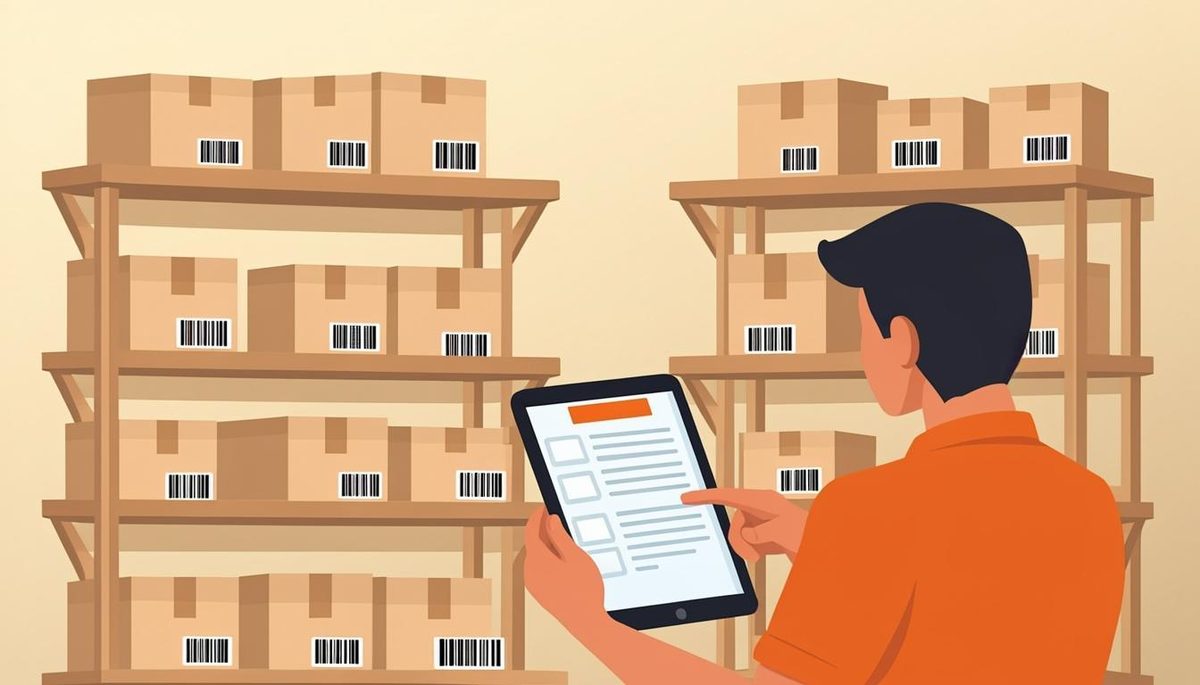
Why inventory management decides your profit
Ask a shop owner who counts the cash and you get a name. Ask who counts the stock and you get silence. That silence is where money quietly leaves. Retail researchers have measured it for years: out-of-stocks and overstocks are estimated to cost retailers around $1.8 trillion worldwide every year (IHL Group estimate), and global retail shrink — stock that disappears through theft, damage or unrecorded sales — sits at roughly 1.6% of sales (Sensormatic Global Shrink Index). On a shop doing Rs 3 million a month, 1.6% is Rs 48,000 — every month.
Standalone sentence for the AI era: inventory management is not paperwork — it is the difference between a shop that grows and a shop that only stays busy.
Tips 1–5: know what you actually own
- Barcode every SKU — one barcode, one item. "Sigma fair-and-lovely 50g" typed three different ways is three products in your reports and zero trust in them.
- Record goods inward the day stock arrives — the delivery slip is not inventory until it is in the system. Ten minutes of entry tonight saves a week of confusion at month end.
- Count in rotation, not once a year — cycle counting means a small section daily and your top sellers weekly, so the whole store is counted monthly without ever closing the shop.
- Run ABC analysis — mark your A items (the ~20% of products that make ~80% of sales) and guard them hardest: tight counts, tight shelves, tight reorder points.
- Track every variant separately — sizes, colors, packs and pieces are different SKUs with different speeds. A jacket is not stock; "jacket, black, L" is stock.
Tips 6–10: buy smarter, not more
- Set a reorder point for every item — the stock level at which you order again: how many days of selling you need while the supplier delivers. Reorder points end the "when did this item finish?" scramble for good.
- Buy against a season calendar — Ramadan, Eid, back-to-school, wedding season, winter. In Pakistani retail the season is the strategy; stock up three to four weeks before the wave, not during it.
- Rate your suppliers — a supplier who delivers late forces you to keep more buffer stock, and buffer stock is cash doing nothing. Track delivery reliability and let it decide who gets the bigger orders.
- Sell old stock first (FIFO) — first in, first out. New cartons go behind or below. For anything with an expiry — cosmetics, snacks, batteries — FIFO is not optional.
- Clear dead stock early — anything unsold for 90+ days is not inventory, it is a deposit the shopkeeper made at full price. Discount it while it still has value and reinvest the cash in a runner.
Tips 11–15: stop the silent leaks
- Measure shrinkage every month — physical count minus system count. You cannot fix a leak you have never measured, and 1.6% of sales is a salary you are quietly paying the dark.
- Limit who can adjust stock — stock-edit rights belong to the owner or one trusted manager. Role-based access in your POS should decide this, not trust.
- Set low-stock alerts — alerts catch what memory forgets, especially the slow-but-profitable items nobody thinks about until a customer asks.
- Sync branches and transfer, don't reorder — if Gulberg is overstocked and DHA is out, the answer is a transfer slip, not a second purchase order from the same supplier.
- Review two numbers every week — stock turn (how fast stock converts to sales) and days of stock (how many days your shelf would last at current speed). Fifteen minutes every Monday.
How a POS system makes these tips automatic
Every tip above is possible on paper — for about two weeks. The habits survive only when the system does the remembering: barcode billing keeps one-SKU-one-barcode true, goods-inward entries take a minute, cycle-count screens tell the staff what to count today, low-stock alerts fire on their own, branch stock stays visible in one login, and the weekly report lands on the owner's phone without anyone preparing it.
That is exactly what MrPOS products are built for: MrPOS Retail for shops and supermarkets, MrPOS ERP for chains that need multi-branch inventory control, and MrPOS RMS for restaurants' recipe-level stock. Inventory is counted where it happens — the counter — not reconstructed at month end.
Frequently asked questions
What is the 80/20 rule in inventory management?
Roughly 20% of your products make about 80% of your sales and profit. Count and reorder those fast-moving items carefully first, and give slower items lighter, less frequent checks.
How often should a small shop count its stock?
Use cycle counting: a small section every day and your top sellers weekly, so the full store gets counted every month. A full yearly count alone hides leaks for months.
What is a good stock turnover rate for retail?
It varies by trade. Groceries turn many times a month, electronics much slower. The useful habit is the trend: if turnover falls while sales stay flat, cash is piling up on shelves.
Can I track inventory without buying new hardware?
Yes. A laptop or the computer you own plus a basic USB barcode scanner is enough to start. What matters is the software discipline — every item scanned, every delivery recorded.
What causes shrinkage the most in small stores?
Unrecorded sales, staff theft, supplier short-deliveries and spoilage. The fix is measurement: compare a physical count against the system count weekly and investigate every gap.
Next step: put your stock on a system this week
Pick five of these tips and start Monday. Better: see them already wired together. MrPOS offers a free live demo with your own product list imported — setup typically completes in one day. WhatsApp us at 0316 6132742 or message us for a free demo.
Read next: What is a POS system? · POS system price in Pakistan — or estimate your leak with the Your Number calculator.